WhatsApp
 Email
Email
 Facebook
 Twitter
 LinkedIn

Every year, we talk about jewelry trends as if they exist in a vacuum — shapes, stones, silhouettes, colors. But trends don’t appear out of nowhere. They are responses to culture and emotion. They are driven by the way people see themselves and how they want to be seen.
As we continue into the year, it’s important to realize that the most successful jewelry trends are not just about aesthetics. They’re about meaning, individuality and emotional connection. Consumers do not simply buy jewelry to accessorize an outfit; they invest in pieces that reflect who they are, what they value, and the moments that matter most to them. In that vein, five key themes are emerging across bridal and fine jewelry.
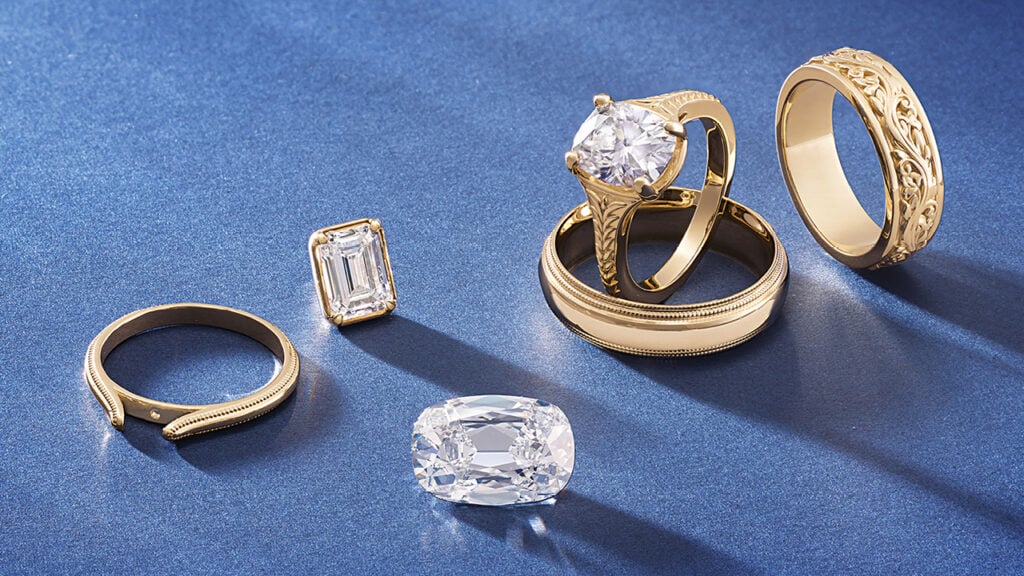
1. Vintage vibes: Nostalgia with intention
Vintage-inspired jewelry continues to resonate, but not because customers are looking backward; they’re looking for permanence. In a world that moves quickly and feels increasingly disposable, vintage-style designs offer a sense of heritage, craftsmanship and staying power.
Intricate engraving, decorative metalwork, and antique-inspired stone cuts — elongated cushions, marquise silhouettes, old mine cuts — give modern designs a sense of depth and romance. Art Deco influences remain strong, while subtle nods to Retro eras add personality.
These designs perform especially well for engagement rings and milestone gifting because they feel rooted in something lasting. Customers are drawn to the idea that their jewelry already carries a story even before they make it their own.
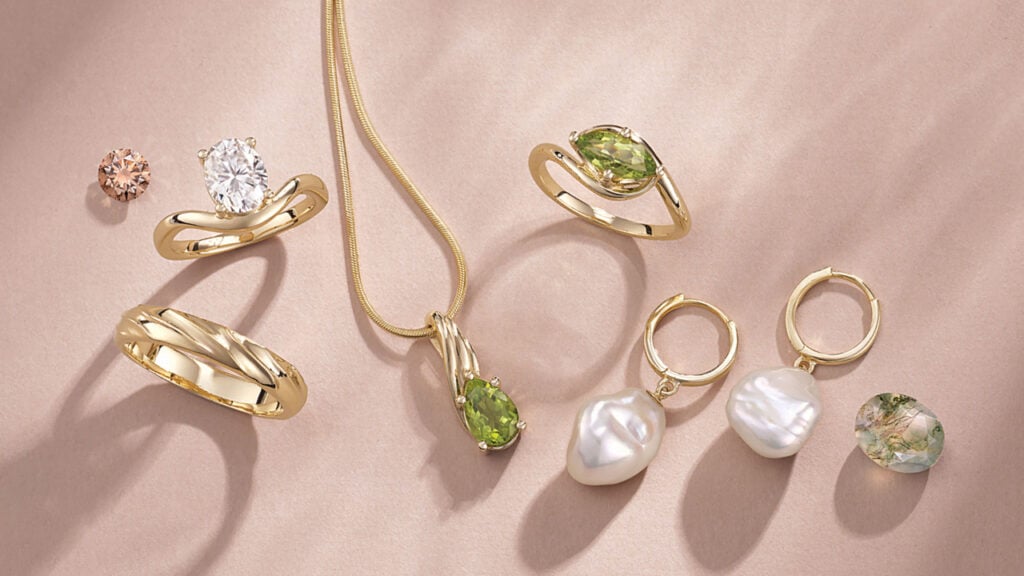
2. Flow and form: Organic, sculptural design
We’re seeing another clear shift toward softer, more sculptural forms. Organic design emphasizes movement, asymmetry and artistry over rigid structure.
Freeform metalwork, abstract silhouettes, baroque pearls, and stones with natural visual texture transform jewelry into wearable art. These designs feel intuitive and expressive, appealing to consumers who want pieces that feel personal.
This trend mirrors broader cultural movements toward fluidity and self-expression. Jewelry is becoming less about the status quo and more about feeling. Customers are responding to designs that allow them to interpret and style pieces in their own way.
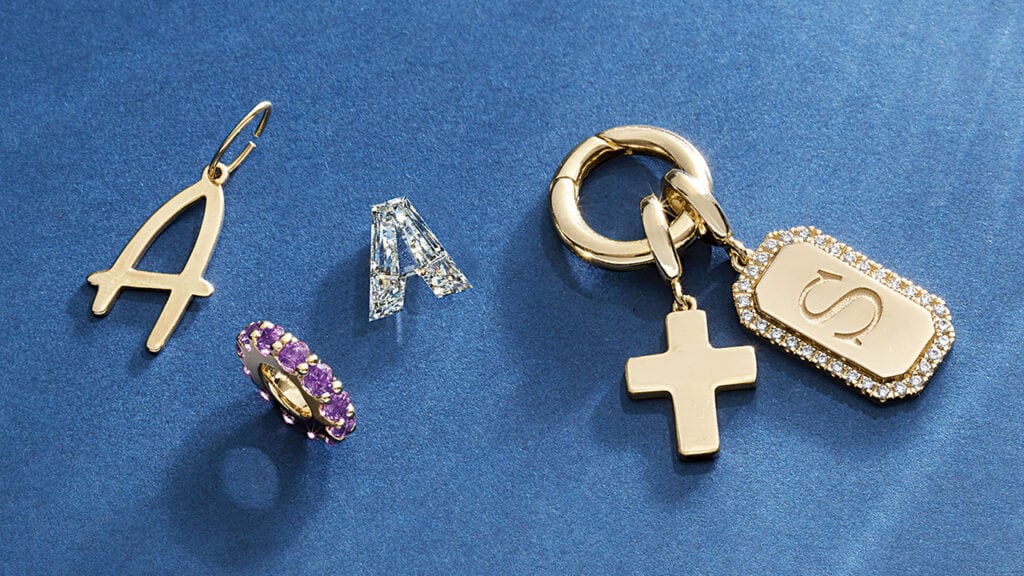
3. Storytelling: A personal narrative
Personalization remains one of the strongest drivers in jewelry purchasing, but what’s changed is how consumers want to personalize. It’s no longer about surface-level customization; it’s about storytelling.
Engraved initials, meaningful dates, birthstones, and symbolic details transform jewelry into keepsakes that mark relationships, achievements, growth and remembrance. These pieces often carry layered meaning — something only the wearer fully understands.
For jewelers, this trend creates powerful opportunities at the counter. Story-driven jewelry naturally invites conversation, builds trust and encourages repeat visits. When jewelry reflects a customer’s life rather than a momentary trend, it becomes an investment worth keeping.
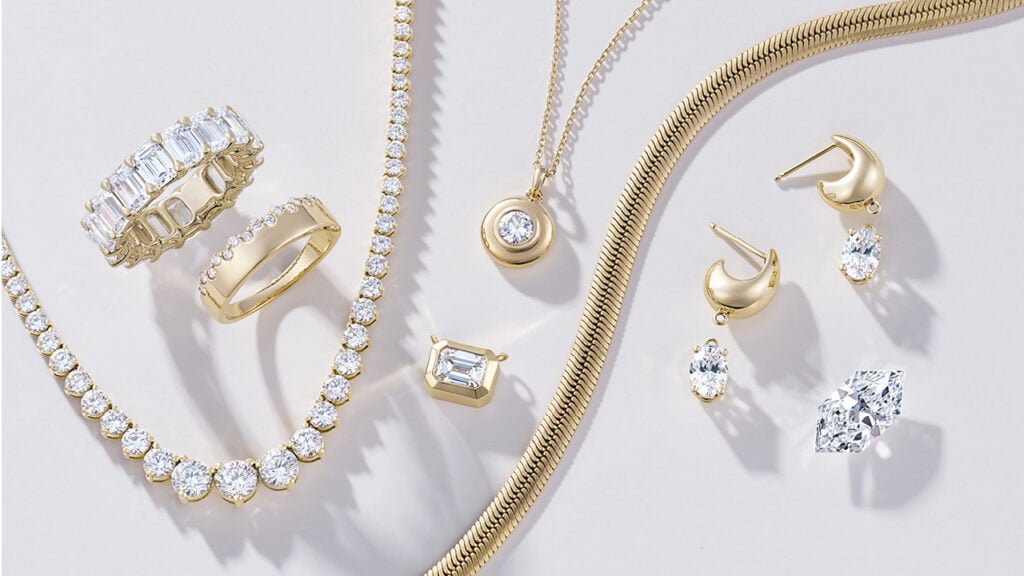
4. Maximalist appeal: A shift in confidence
After years of minimalism dominating design, bold jewelry is making a confident return. Maximalist styles such as oversized silhouettes, metal-forward designs, and stones with large carat weights reflect a renewed appetite for visibility and self-assurance.
Consumers are increasingly choosing fewer, more impactful pieces rather than large quantities of understated styles. Statement jewelry delivers immediate emotional payoff. It feels indulgent, celebratory, and worthy of investment.
Notably these designs are no longer reserved for special occasions. Many customers are adopting bold pieces as part of their everyday identity to wear repeatedly and confidently without explanation.
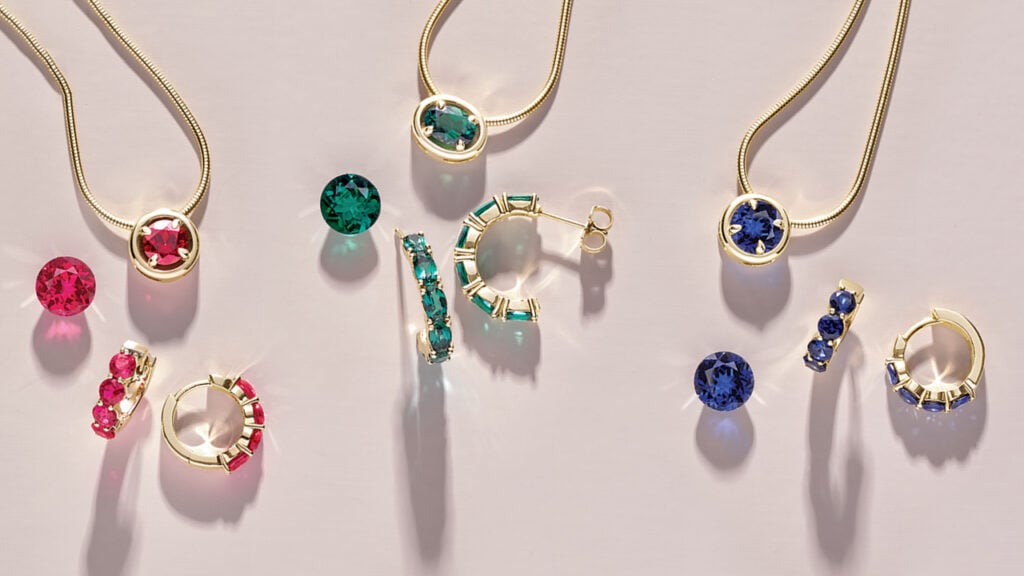
5. High-impact hues: Color with meaning
Color continues to play a large role in jewelry design, not just for its visual appeal, but also for its symbolism. Richly saturated gemstones, birthstones, and expressive color combinations allow customers to connect sentiment with style.
Birthstones remain especially influential, offering a tangible way to represent loved ones or life chapters. Beyond that, consumers are increasingly drawn to stones with specific associations: protection, love, luck, guidance, or strength.
From colorful engagement rings to stacked gemstone bands, these designs offer a distinctive way to personalize people’s stories.

The takeaway for the trade
These 2026 jewelry trends point to consumers who are thoughtful, expressive and emotionally driven. Today’s buyers want jewelry that feels intentional. They look for pieces that reflect identity, mark milestones, and stand the test of time.
For the industry, this means shifting the conversation. Selling jewelry is not just about carat weight or metal quality. It’s about listening, storytelling, and helping customers articulate what they want their jewelry to represent.
The most successful assortments in your case this year will be the ones that balance beauty with meaning — designs that don’t just follow trends, but reflect the lives of the people who wear them.
Stay on top of the latest trends by visiting blog.stuller.com.
Taylor Dizor is senior marketing copywriter at Stuller.
Main image: Stuller jewelry in a variety of styles. (Stuller)